Heraklion
Heraklion is not just a city; it is a living mosaic of cultures, flavors, and contrasts. From the imposing Venetian walls to the modern rhythms of the market, the capital of Crete invites you to explore it. Artion Boutique City Hotel is your ideal starting point, located right where the heart of the city beats.
Discover the Heart of Crete
From the majestic walls of the Venetian era and the iconic Koules Fortress, to the modern rhythms of Lions Square, Heraklion is a city that invites you to walk its streets. Here, Minoan heritage coexists with cosmopolitan life, traditional flavors, and warm Cretan hospitality. Discover a capital full of light, history, and hidden corners waiting for you to explore them.
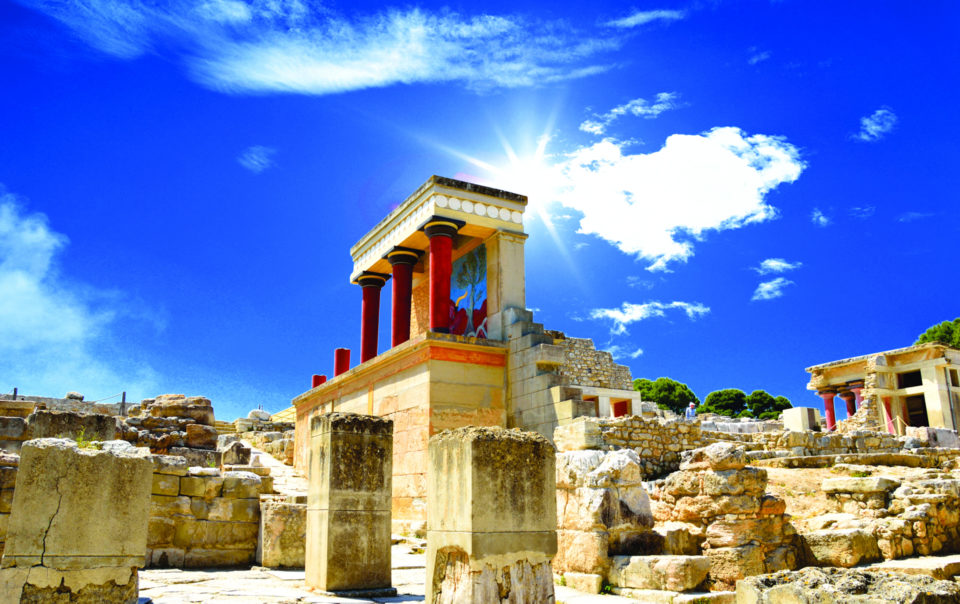
Knossos Palace
Knossos constitutes the heart of the Minoan Civilization. According to tradition, it was the seat of King Minos. The site of the Palace of Knossos is linked to the fascinating myths of the Labyrinth with the Minotaur and of Daedalus with Icarus. The city of Knossos was inhabited continuously from the Neolithic Period (7,000 – 3,000 BC) until Roman times. The Palace of Knossos (2000-1350 BC), the largest (20,000 sq.m.) and most magnificent of all Minoan centers of power, follows the architectural style that crystallized around 1700 BC: four wings are developed around a rectangular central courtyard, oriented on a north-south axis.
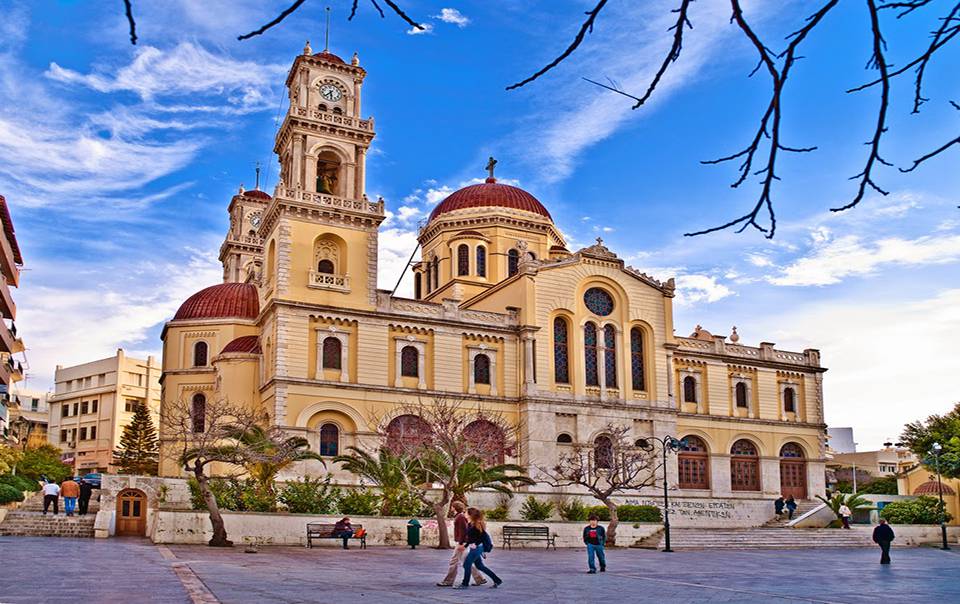
Saint Minas Cathedral
The Cathedral of Saint Minas is an Orthodox Cathedral located in Heraklion and serves as the seat of the Archbishop of Crete. Construction began on March 25, 1862, by the Metropolitan of Crete, Dionysios of Adrianople, Thrace. Its construction was interrupted during the Cretan Revolution of 1866 and was finally completed in early 1895. The inauguration of the church took place on April 16, 1895, by the Metropolitan of Crete, Timotheos I. The church is dedicated to Saint Minas, the patron saint of the city of Heraklion.

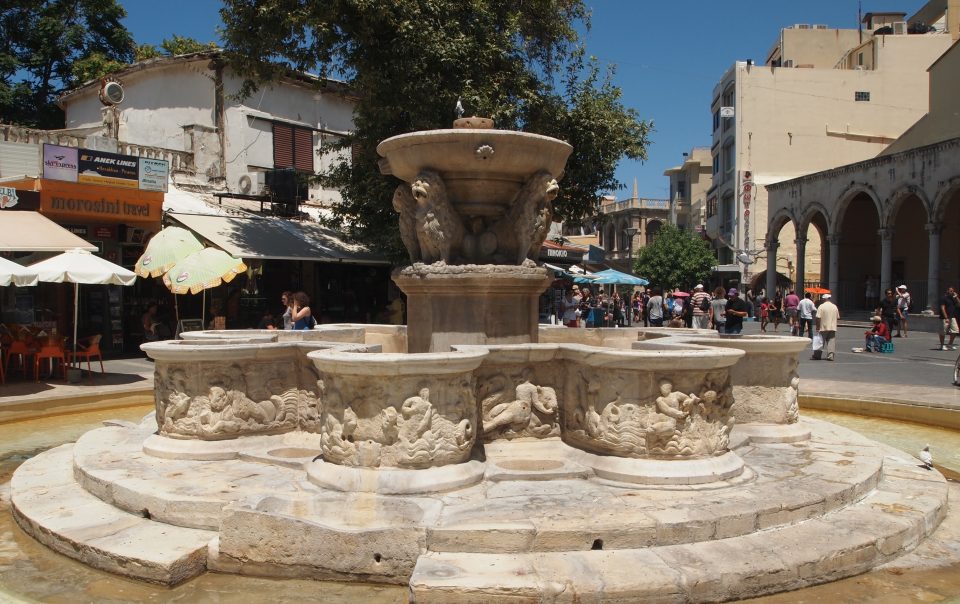
Morosini Fountain (Lions Square)
The Morosini Fountain is located in Lions Square (Eleftheriou Venizelou), across from the Basilica of Saint Mark, in the center of Heraklion. It is considered one of the most beautiful Venetian monuments of Candia (the name of Heraklion during the Byzantine and Venetian periods) and is preserved in very good condition. The reason for its construction was not aesthetic, but rather to provide water to the city of Heraklion. The water came from Mount Juktas in Archanes via a 15-kilometer aqueduct that reached Heraklion. The inauguration took place on April 25, 1628—the feast day of Saint Mark, who was the patron saint of the city at that time.
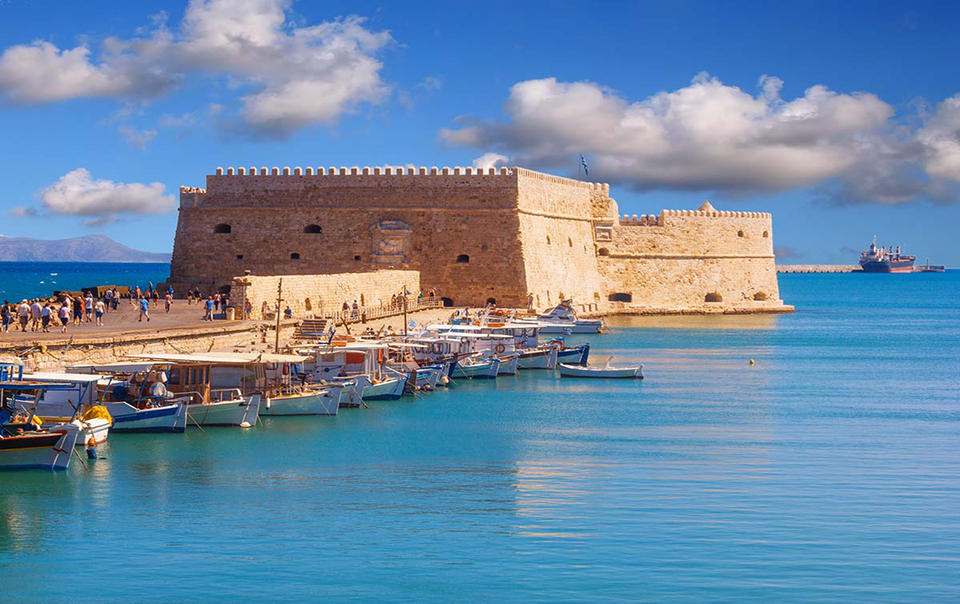
Venetian Fortress of Koules
The Venetian Castle of Heraklion is called Koules, which means "fortress" in Turkish. It is an impressive fortress that surrounds the harbor of Heraklion, Crete. Koules Castle is a massive two-story fortress that guarded the entrance to the port. The castle was constructed by the Venetians in the early 13th century when they conquered the city. The oldest description of the Venetian Koules castle exists in the work of the Florentine monk Cristoforo Buondelmonti from 1429.
Heraklion Archaeological Museum
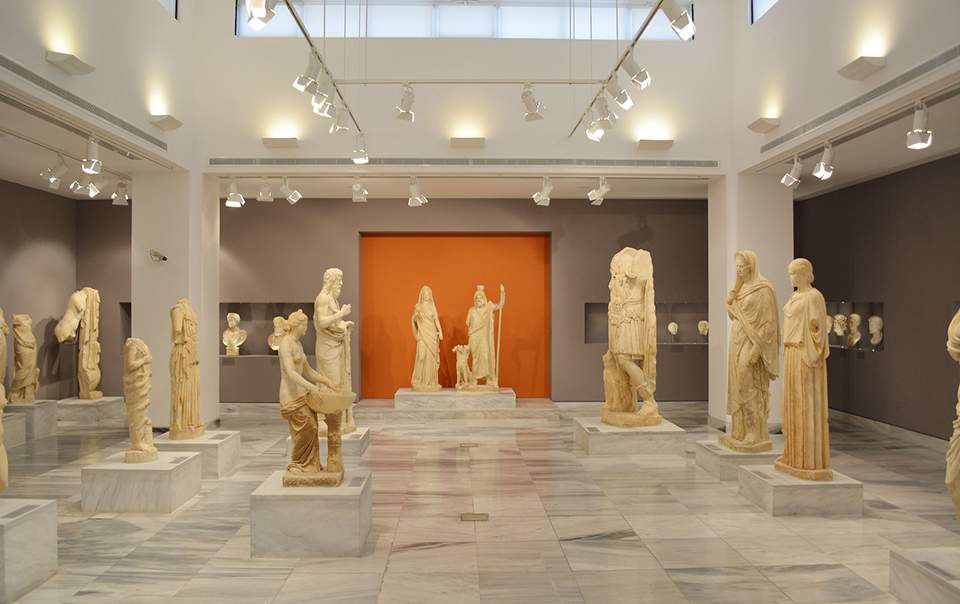
The Heraklion Archaeological Museum is the museum that presents almost the entirety of the Minoan civilization. It is one of the largest and most noteworthy museums in Greece and among the most significant in Europe. Its exhibits include representative samples from all periods of Cretan prehistory and history, covering approximately 5,500 years—from the Neolithic era to Roman times. The unique masterpieces of Minoan art hold a dominant position within its collections. The collection of Minoan antiquities is the most important in the world, and the museum is considered the preeminent museum of Minoan civilization.
Natural History Museum of Crete
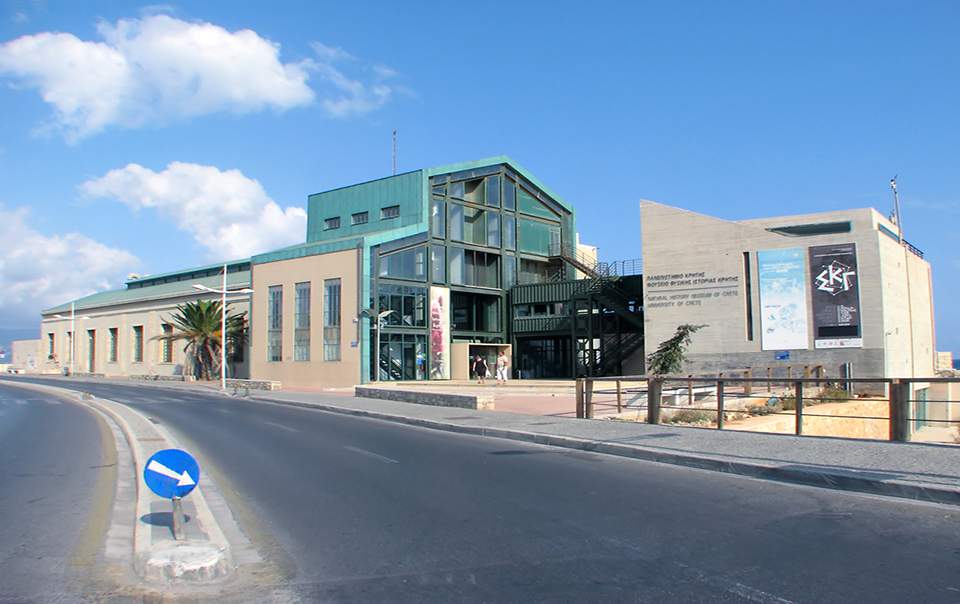
The Natural History Museum of Crete operates within the framework of the University of Crete, covering all the activities of a comprehensive and modern museum: it maintains and develops collections, conducts research on the natural environment, contributes to the educational process across all levels of education, and showcases the unique characteristics of the environment of Crete and the Mediterranean in its exhibition spaces. Its impressive growth over the last decade reflects, on one hand, the great need of society for proper environmental information and, on the other, the consistency and professionalism of those working within the institution.